The cryptocurrency world has grown a lot. It is now a part of the global financial system. This growth means we need rules to keep everything. Governments around the world are trying to figure out how to watch over digital money without stopping new ideas. The big question is how to protect investors keep the system stable and help new technology grow.
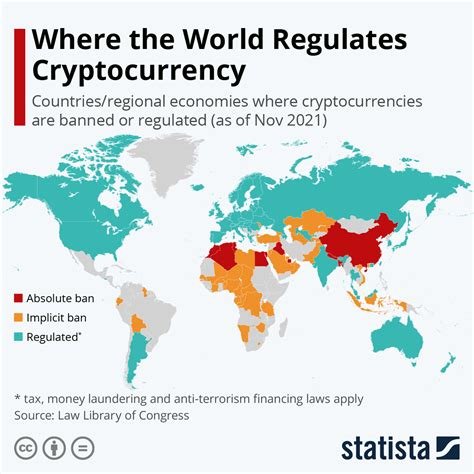
Why We Need Rules
Protecting investors: We need to stop scams and bad people from taking advantage of others.
Keeping the system stable: We have to avoid big risks from markets that can change quickly.
Stopping people from using crypto for bad things: We need to make sure crypto is not used for things like money laundering.
Helping people feel safe: Clear rules will help more people use cryptocurrency.
How Different Parts of the World Regulate Crypto
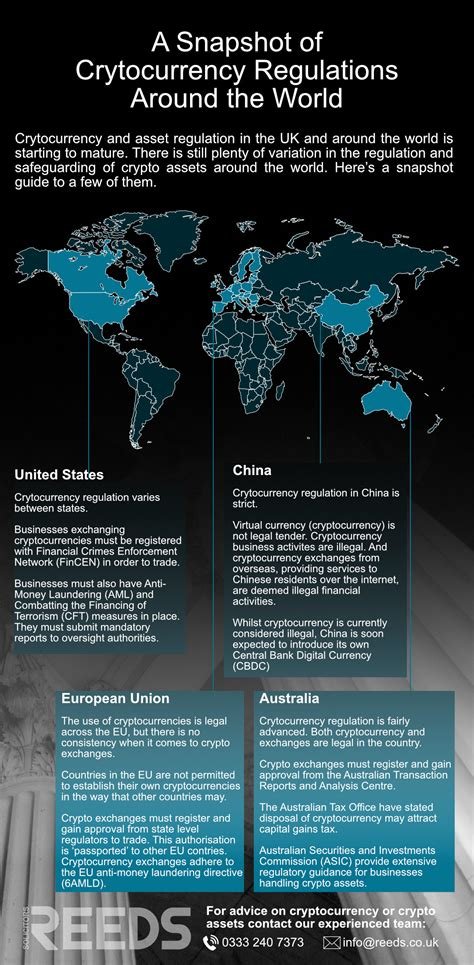
United States
The United States is looking at stablecoins and the money they have in reserve.
There are discussions between the SEC and CFTC about who should be in charge.
The government is thinking about making a set of rules that everyone has to follow.
European Union
The European Union has made rules for stablecoins, exchanges and companies that work with crypto.
They want to make sure everything is transparent and that consumers are protected.
Asia
Singapore is a place where new ideasre encouraged but companies have to follow strict rules.
China does not allow crypto trading and mining. It is working on its own digital money.
Japan has rules for exchanges. They have to get licenses.
Africa and Latin America
El Salvador has made Bitcoin a real currency, which has caused a lot of discussion.
Nigeria does not allow banks to work with crypto. A lot of people are using it anyway.
Brazil has made laws that recognize companies that work with crypto.
The Challenges of Regulating Crypto
No authority: It is hard to enforce rules when there is no one in charge.
New ideas are happening fast: Laws are often behind the technology.
Transactions across borders: It is hard to know who should be in charge.
What Regulation Can Bring
Legitimacy: Big investors will feel more confident.
Clear rules: New companies will know how to work
People will trust crypto more: Users will feel safer when they know there are rules.
The Risks of Too Much Regulation
Stopping ideas: Too many rules can discourage new projects.
Driving projects away: Companies might move to places with rules.
Making it hard for companies: Big companies might be the only ones who can follow all the rules.
Examples
Ripple vs. SEC: A lawsuit that will decide if XRP is a security.
Stablecoin rules in Europe: The European Union has rules for stablecoins.
El Salvadors Bitcoin experiment: A move that shows both the good and bad of crypto.
The Future of Regulation
Combining ideas with rules: We need to find a way to make both work together.
Self-regulation: Maybe companies can make their rules and enforce them.
Working together: Global rules could help make everything more consistent.
Focusing on stablecoins: Policymakers think stablecoins can help connect crypto and traditional finance.
We need rules. They have to be fair. If the rules are too strict crypto might not grow. We need to make rules that protect users without stopping the spirit of cryptocurrency. Crypto regulation is very important, for the future of cryptocurrency. Crypto companies and users need to work to make sure the rules are fair and helpful. Crypto will be a part of our financial system and we need to make sure it is safe and stable.
Content Us :ttps://cryptodaily.meeqam.com/



 Bitcoin
  Ethereum
  Tether
  XRP
XRP  BNB
BNB  USDC
USDC  Solana
  TRON
TRON  Lido Staked Ether
  Dogecoin
  Figure Heloc
  Cardano
  WhiteBIT Coin
  Bitcoin Cash
  USDS
USDS  Wrapped stETH
  LEO Token
  Hyperliquid
  Wrapped Bitcoin
  Chainlink
  Binance Bridged USDT (BNB Smart Chain)
  Monero
  Wrapped Beacon ETH
  Canton
  Ethena USDe
  Stellar
  Wrapped eETH
  USD1
USD1  Rain
Rain  Litecoin
  sUSDS
sUSDS  Hedera
  Zcash
Zcash  Coinbase Wrapped BTC
  Avalanche
  Dai
Dai  PayPal USD
  WETH
WETH  Sui
Sui  Shiba Inu
  Toncoin
  USDT0
USDT0  Cronos
  World Liberty Financial
  Polkadot
  Tether Gold
  Uniswap
  PAX Gold
  MemeCore
  Ethena Staked USDe