
Stablecoins are a big deal in the world of cryptocurrency. They are different from things like Bitcoin or Ethereum because their value does not go up and down a lot. Stablecoins are like a bridge between the way of doing finance and the new way with computers. They make it easier to move money reduce the risk of losing money and help more people get into the system.
What Are Stablecoins?
Stablecoins are like tokens that try to keep their value steady. There are three types of stablecoins:
- Fiat-backed stablecoins: These are tied to real money like the US dollar. For example USDT and USDC.
- Commodity-backed stablecoins: These are linked to things like gold. For example PAX Gold.
- Algorithmic stablecoins: These use computer programs to keep their value steady. For example DAI.
Why Stablecoins Matter
They help reduce the ups and downs of the market which’s important for everyday transactions.
Stablecoins are also a part of something called DeFi, which is like a new way of doing finance. They help people lend, borrow and earn interest.
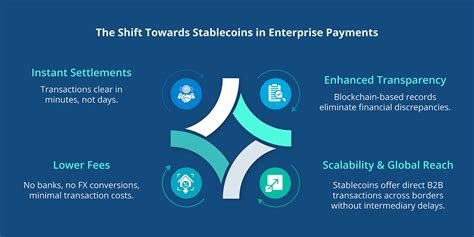
Stablecoins make it faster and cheaper to send money across borders.
Big companies and banks use stablecoins to move money and make sure they have enough cash.
Opportunities
- Financial Inclusion
Stablecoins help people in countries with economies get access to a safe place to put their money.
- Efficiency in Payments
Stablecoins make it possible to send money across the world in seconds, which saves time and money.
- Integration with Traditional Finance
Stablecoins can work with the money that governments make and the systems that already exist.
Challenges
- Regulatory Uncertainty
The government is still trying to figure out how stablecoins fit into the rules of finance.
- Reserve Transparency
There are questions about whether the people who make stablecoins have enough money to back them up.
- Systemic Risk
If a lot of people start using stablecoins it could affect the economy.
- Algorithmic Failures
In 2022 something called TerraUSD failed, which showed that stablecoins can be fragile.
Case Studies
Tether is the popular stablecoin but some people do not trust it.
USD Coin is backed by companies and is considered more trustworthy.
DAI is a kind of stablecoin that is run by a group of people and backed by other cryptocurrencies.
The Future of Stablecoins
The government needs to make rules for stablecoins so that big companies will trust them.
Some governments might make their digital money that competes with stablecoins.
New and innovative stablecoins might be created that combine the way of doing things with the new way.
Stablecoins could become the way that people send money around the world.
Stablecoins are like a ground between the old way of doing finance and the new way with computers. They offer stability, efficiency and accessibility. They also have problems with rules, transparency and the risk of affecting the whole economy. Their future depends on how well governments companies and communities work to build trust and make them strong. If they succeed stablecoins could be the start of an era, in finance connecting the old way and the new way.



 Bitcoin
  Ethereum
  Tether
  XRP
XRP  BNB
BNB  USDC
USDC  Solana
  TRON
TRON  Lido Staked Ether
  Dogecoin
  Figure Heloc
  Cardano
  WhiteBIT Coin
  Bitcoin Cash
  USDS
USDS  Wrapped stETH
  LEO Token
  Hyperliquid
  Wrapped Bitcoin
  Chainlink
  Binance Bridged USDT (BNB Smart Chain)
  Monero
  Wrapped Beacon ETH
  Canton
  Ethena USDe
  Stellar
  Wrapped eETH
  USD1
USD1  Rain
Rain  Litecoin
  sUSDS
sUSDS  Hedera
  Zcash
Zcash  Coinbase Wrapped BTC
  Avalanche
  Dai
Dai  PayPal USD
  WETH
WETH  Sui
Sui  Shiba Inu
  Toncoin
  USDT0
USDT0  Cronos
  World Liberty Financial
  Polkadot
  Tether Gold
  Uniswap
  PAX Gold
  MemeCore
  Ethena Staked USDe