
Artificial Intelligence (AI) has become a transformative force in the stock market. By 2026, AI-powered algorithms drive a major share of global trading activity, reshaping how investors analyze data, manage risk, and execute trades. From hedge funds to retail investors, AI is now embedded in portfolio management, offering speed and precision that humans cannot match. Yet, this revolution brings both opportunities and risks that will define the future of financial markets.
How AI Is Used in Stock Market Trading
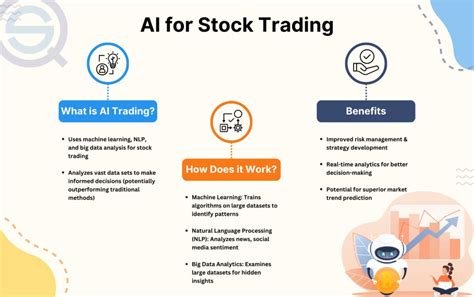
Algorithmic Trading: AI systems execute trades in milliseconds, exploiting market inefficiencies.
Predictive Analytics: Machine learning models analyze historical data, economic indicators, and corporate earnings to forecast trends.
Sentiment Analysis: AI scans social media, news, and forums to gauge investor sentiment and predict short-term movements.
Risk Management: AI identifies portfolio vulnerabilities and suggests hedging strategies.
Personalized Investing: Robo-advisors use AI to tailor portfolios to individual risk profiles and goals.
Opportunities
- Speed and Efficiency
AI executes trades faster than humans, reducing transaction costs and improving liquidity.
- Improved Risk Management
Predictive models help investors anticipate downturns and adjust portfolios proactively.
- Democratization of Trading
Retail investors gain access to AI-powered apps, leveling the playing field with institutions.
- Portfolio Optimization
AI balances risk and return more effectively by analyzing vast datasets.
- Market Growth
Investor enthusiasm for AI is fueling optimism. Surveys show 65% of investors believe AI will be the primary driver of market growth over the next five years.
Risks and Challenges
- Over-Reliance on Algorithms
Blind trust in AI can lead to systemic risks if models fail or misinterpret data.
- Flash Crashes
Automated trading systems can trigger sudden market collapses, as seen in past algorithmic failures.
- Market Manipulation
AI could be exploited to manipulate sentiment or trading patterns.
- Ethical Concerns
Opaque algorithms raise questions about fairness and accountability.
- Regulatory Uncertainty
Governments struggle to balance innovation with investor protection, leaving gaps in oversight.
Case Studies
Hedge Funds: Many funds now rely on AI-driven strategies, combining quantitative models with machine learning.
Retail Platforms: Apps like Robinhood and eToro integrate AI for personalized recommendations.
Failures: Past flash crashes highlight the dangers of unchecked automation.
Regulatory Landscape
United States: The SEC monitors algorithmic trading, emphasizing transparency.
Europe: Regulators push for disclosure of AI models used in trading.
Asia: Countries like Singapore encourage innovation but enforce strict compliance.
Future Outlook
Quantum Computing: Could supercharge AI trading with unprecedented processing power.
Hybrid Models: Combining human judgment with AI efficiency may become the norm.
Institutional Adoption: Banks and asset managers increasingly rely on AI for portfolio management.
Global Impact: AI-driven trading is expected to dominate markets, but oversight will be critical to prevent instability.
AI is revolutionizing stock market trading, offering speed, efficiency, and democratization. It empowers investors with predictive insights and risk management tools, while fueling optimism about market growth. However, risks such as flash crashes, manipulation, and regulatory gaps remain significant. The future of AI in trading will depend on striking a balance between innovation and security, ensuring that markets remain fair, transparent, and resilient.



 Bitcoin
  Ethereum
  Tether
  XRP
XRP  BNB
BNB  USDC
USDC  Solana
  TRON
TRON  Lido Staked Ether
  Dogecoin
  Figure Heloc
  WhiteBIT Coin
  Cardano
  Bitcoin Cash
  USDS
USDS  Wrapped stETH
  LEO Token
  Hyperliquid
  Wrapped Bitcoin
  Chainlink
  Binance Bridged USDT (BNB Smart Chain)
  Monero
  Wrapped Beacon ETH
  Canton
  Ethena USDe
  Stellar
  Wrapped eETH
  USD1
USD1  Litecoin
  Rain
Rain  sUSDS
sUSDS  Hedera
  Zcash
Zcash  Coinbase Wrapped BTC
  Dai
Dai  Avalanche
  PayPal USD
  WETH
WETH  Shiba Inu
  Sui
Sui  World Liberty Financial
  USDT0
USDT0  Cronos
  Toncoin
  Tether Gold
  Polkadot
  Uniswap
  PAX Gold
  MemeCore
  Ethena Staked USDe