
Before diving into the different types of crypto wallet devices, it’s important to clear up a common misconception: a cryptocurrency wallet doesn’t actually store your coins. Your digital assets exist entirely on the blockchain. What a wallet does is securely store the codes your public and private keys that you need to access, manage, and authorize transactions. Since these codes are simply strings of digital data, a variety of devices can generate, store, and use them. The device you choose impacts both how secure your crypto wallet is and how convenient it is for everyday use.
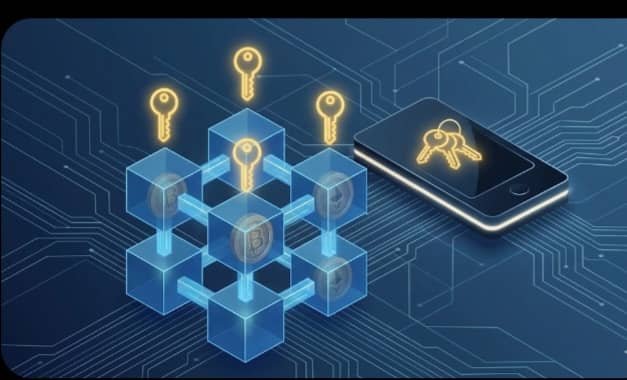
1. Dedicated Hardware Wallets (Cold Storage)
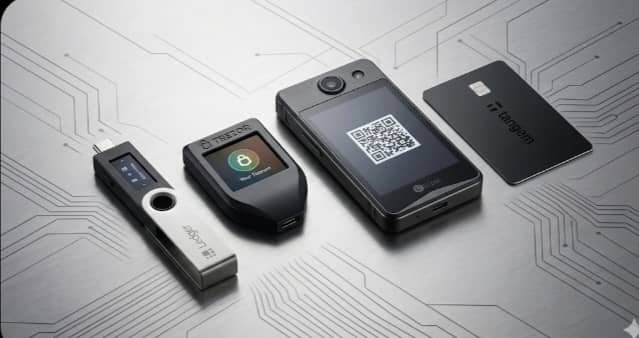
Hardware wallets are specialized devices designed solely to protect your private keys. They are widely regarded as the safest option for long-term storage and are essential for anyone holding significant amounts of digital assets.
How Cold Storage Works:
Hardware wallets operate completely offline. When you want to make a transaction, a companion app on your phone or computer prepares it and sends it to the wallet. The device signs the transaction using your private key and sends it back, without ever exposing the key to the internet.
Secure Elements (SE):
High-end wallets, such as Ledger, Trezor, or OneKey Pro, use tamper-resistant chips similar to those in military devices, biometric passports, and credit cards. Some of these chips can even erase or destroy themselves if someone tries to tamper with them.
Form Factors:
- USB and Touchscreen Wallets: These traditional devices look like USB drives or small touchscreen gadgets, letting you verify addresses physically before confirming transactions.
- Smartcard Wallets: Devices like Tangem Wallet resemble bank cards and use NFC for transactions simply tap the card on your smartphone to authorize.
- Air-Gapped Wallets: Wallets such as Ellipal Titan or SafePal have no internet, USB, or Bluetooth connection, communicating only via QR codes to prevent hacking.
- Distributed Key Wallets: Advanced solutions like Cypherock split keys across multiple NFC cards. You need the main device plus one card to transact, reducing dependence on a single seed phrase.
2. Smartphones and Web3 Mobile Devices
Smartphones are the most common way to manage crypto wallets, offering convenience but with slightly lower security due to constant internet connectivity.
Standard Mobile Apps:
Apps like Trust Wallet, Phantom, and MetaMask encrypt your keys and store them on your phone. They’re convenient for trading, paying merchants, and interacting with decentralized finance (DeFi). However, they carry risks such as malware, clipboard hijackers, and SIM-swapping attacks.
Secure Enclaves:
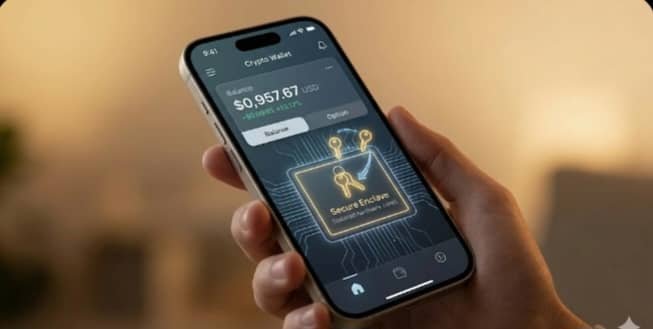
Modern smartphones mitigate risks with hardware-level security zones. Apple’s Secure Enclave and Android’s Trusted Execution Environment (TEE) isolate cryptographic operations, making it much harder for malware to access your keys.
Dedicated Web3 Smartphones:
Specialized crypto phones, like the Solana Saga, feature a Seed Vault physically separated from the main operating system. Transactions are signed internally within this secure environment, keeping your seed phrase completely offline while allowing you to interact with the blockchain daily.
3. Desktop and Laptop Computers
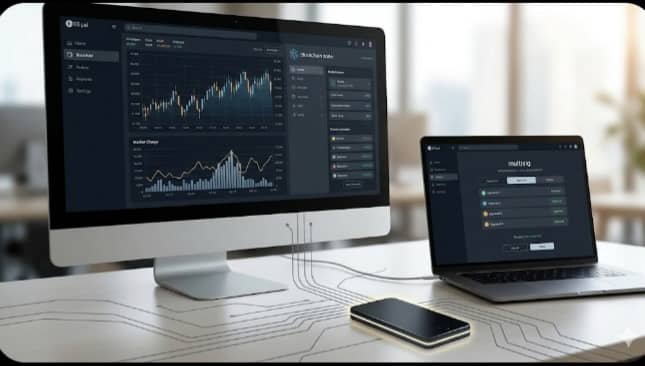
Desktops and laptops are popular among crypto developers, traders, and power users who require full blockchain functionality.
Browser Extensions:
Lightweight wallets often appear as browser extensions, injecting Web3 capabilities into your browser. This allows seamless interaction with decentralized exchanges, NFTs, and lending platforms.
Full Node Wallets:
Powerful desktops can run full nodes, downloading the entire blockchain to independently verify transactions without relying on third-party servers.
Multi-Signature (Multisig) Wallets:
These setups, often used for organizational treasuries or shared funds, require multiple devices to approve a transaction, adding an extra layer of security.
Security Advice:
Since desktops are frequent malware targets, it’s safest to use them as an interface alongside a hardware wallet rather than storing large sums of crypto directly on the computer.
4. Point of Sale (PoS) Terminals and Bitcoin ATMs
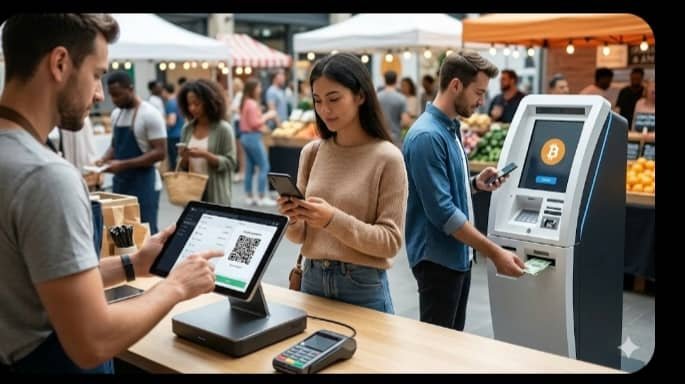
Crypto wallets also integrate with hardware that bridges digital currency with real-world transactions.
Merchant PoS Systems:
Modern retail terminals can run wallet software, accept crypto payments via QR codes, and often use layer-2 solutions like the Bitcoin Lightning Network for fast, low-fee transactions.
Bitcoin ATMs (BTMs):
These kiosks allow users to buy or sell cryptocurrency. To buy, a user scans their wallet QR code and inserts cash. The ATM’s internal hot wallet then sends crypto to the user. Some advanced ATMs even dispense cash when users deposit crypto.
Summary
Crypto wallet devices range from completely isolated, air-gapped hardware for maximum security to smartphones and PoS terminals built for everyday convenience. The best strategy is to combine devices: keep the majority of your holdings in offline hardware wallets while maintaining a smaller hot wallet on your mobile or desktop for daily transactions



 Bitcoin
  Ethereum
  Tether
  XRP
XRP  BNB
BNB  USDC
USDC  Solana
  TRON
TRON  Lido Staked Ether
  Figure Heloc
  Dogecoin
  USDS
USDS  WhiteBIT Coin
  LEO Token
  Cardano
  Wrapped stETH
  Bitcoin Cash
  Hyperliquid
  Wrapped Bitcoin
  Chainlink
  Binance Bridged USDT (BNB Smart Chain)
  Monero
  Wrapped Beacon ETH
  Ethena USDe
  Canton
  Stellar
  Wrapped eETH
  MemeCore
  Dai
Dai  sUSDS
sUSDS  USD1
USD1  PayPal USD
  Litecoin
  Coinbase Wrapped BTC
  Zcash
Zcash  Hedera
  Avalanche
  WETH
WETH  Rain
Rain  Shiba Inu
  Sui
Sui  USDT0
USDT0  Toncoin
  World Liberty Financial
  Cronos
  Bittensor
  Circle USYC
  Tether Gold
  PAX Gold
  Ethena Staked USDe